
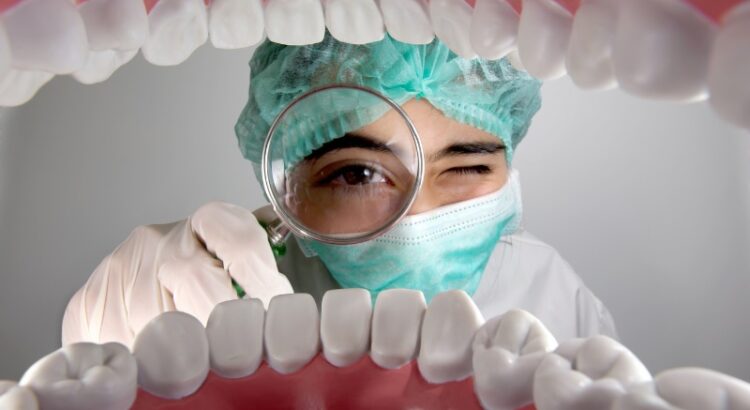
Visiting a dentist is essential for maintaining oral health, preventing diseases, and achieving a confident smile. Dentistry is a specialized field in medicine that focuses on the diagnosis, treatment, and prevention of oral and dental problems. Whether it’s a routine cleaning, cosmetic procedure, or advanced surgery, understanding the scope of dentistry and how to choose the right dentist can greatly impact your overall well-being.
Understanding Dentistry
Dentistry is not just about fixing cavities. It encompasses a wide range of services that address oral health comprehensively. Dentists are trained professionals who deal with teeth, gums, jaw, and related structures. They also play a role in detecting systemic health issues, as many diseases show early signs in the mouth.
Types of Dental Services
Modern dental care provides a variety of treatments that cater to different needs. These can be broadly classified into preventive, restorative, and cosmetic services.
- Preventive Dentistry: Focuses on avoiding dental problems before they occur. Regular check-ups, professional cleanings, fluoride treatments, and sealants help maintain oral hygiene and prevent cavities or gum disease.
- Restorative Dentistry: Involves repairing or replacing damaged teeth. Common procedures include fillings, crowns, bridges, root canals, and dentures. These treatments restore function and appearance.
- Cosmetic Dentistry: Enhances the aesthetic appeal of teeth and smile. Procedures include teeth whitening, veneers, bonding, and orthodontics such as braces or clear aligners.
- Specialized Dentistry: Includes pediatric dentistry for children, orthodontics for bite alignment, periodontics for gum health, endodontics for root and pulp issues, and oral surgery for complex cases.
Importance of Regular Dental Check-Ups
Regular visits to a dentist are critical for maintaining oral health. Dental problems often develop silently, and early detection can prevent complications. Dentists check for cavities, gum disease, oral cancers, and other abnormalities during routine exams. They also provide guidance on brushing, flossing, diet, and habits that impact oral health.
Choosing the Right Dentist
Selecting a dentist involves more than just location convenience. Several factors should be considered to ensure quality care and a positive experience:
- Credentials and Experience: Verify the dentist’s education, training, and certifications. Experience in specific procedures can be important for complex treatments.
- Specialization: Depending on your needs, choose a general dentist for routine care or a specialist for particular concerns like orthodontics, periodontics, or oral surgery.
- Reputation and Reviews: Patient testimonials, professional reviews, and referrals can provide insight into the dentist’s skill, professionalism, and bedside manner.
- Technology and Facilities: Modern dental practices equipped with advanced imaging, digital records, and sterilization techniques offer better diagnostics and treatment outcomes.
- Comfort and Communication: A dentist who explains procedures clearly and makes patients feel comfortable can reduce anxiety and improve treatment adherence.
Modern Advances in Dentistry
The field of dentistry has seen significant technological advancements that improve both treatment quality and patient experience:
- Digital Imaging and X-Rays: Advanced imaging provides accurate diagnosis with minimal radiation exposure. 3D scans and intraoral cameras enhance precision in treatment planning.
- Laser Dentistry: Lasers are used for procedures like cavity removal, gum reshaping, and treatment of soft tissue lesions, often reducing discomfort and healing time.
- CAD/CAM Technology: Computer-aided design and manufacturing allow dentists to create precise crowns, bridges, and veneers, often in a single visit.
- Teledentistry: Remote consultations and virtual follow-ups have made dental care more accessible, especially in areas with limited dental services.
- Minimally Invasive Techniques: Techniques like air abrasion, microdentistry, and gentle root canal therapy reduce trauma and preserve more natural tooth structure.
Maintaining Oral Hygiene at Home
Good oral hygiene practices complement professional dental care. Dentists recommend daily habits that help prevent dental problems:
- Brushing: Brush teeth twice daily with fluoride toothpaste using proper technique to remove plaque effectively.
- Flossing: Flossing once a day prevents buildup between teeth where brushes cannot reach.
- Diet: Reduce sugar intake and eat a balanced diet to prevent cavities and gum issues. Foods rich in calcium, vitamins, and fiber support oral health.
- Regular Rinsing: Mouthwash or saltwater rinses can help reduce bacteria and maintain fresh breath.
- Avoiding Tobacco and Excessive Alcohol: These substances increase the risk of gum disease, oral cancers, and staining.
Common Dental Procedures and What to Expect
Understanding common procedures can reduce anxiety and help patients prepare for visits:
- Fillings: Used to treat cavities, fillings restore tooth structure. Materials include composite resin, amalgam, or ceramic.
- Root Canal Therapy: Removes infected pulp and seals the tooth to prevent further infection, saving natural teeth.
- Crowns and Bridges: Crowns cover damaged teeth, while bridges replace missing teeth by anchoring to adjacent teeth.
- Teeth Whitening: Professional whitening treatments provide faster, more even results compared to over-the-counter products.
- Orthodontic Treatments: Braces and clear aligners correct misaligned teeth and improve bite function.
Dental Care for Children and Seniors
Dental needs vary with age. Pediatric dentistry focuses on growth, development, and early intervention. Children are taught proper brushing habits, and preventive measures like sealants and fluoride treatments are applied. Seniors may face tooth loss, gum disease, or dry mouth. Dentists provide specialized care, including dentures, implants, and routine monitoring to maintain oral function and quality of life.
The Connection Between Oral Health and Overall Health
Research has shown that oral health is closely linked to systemic health. Poor oral hygiene can contribute to heart disease, diabetes complications, respiratory infections, and adverse pregnancy outcomes. Dentists are increasingly part of integrated healthcare teams, helping detect early signs of systemic diseases during routine exams.
Emergency Dental Care
Dental emergencies can happen unexpectedly and require prompt attention. Common emergencies include severe toothaches, knocked-out teeth, broken crowns, or oral injuries. Immediate care can prevent further damage, reduce pain, and increase the chances of saving natural teeth. Dentists provide emergency protocols and guidance for urgent situations.
Conclusion
Dentists play a critical role in ensuring oral and overall health. From preventive care and routine check-ups to advanced treatments and cosmetic enhancements, their expertise supports healthy smiles and long-term wellness. Regular visits, combined with proper home care, informed choices, and awareness of modern dental technologies, empower individuals to maintain optimal oral health throughout their lives.
FAQ Section
1. How often should I visit a dentist for a check-up?
Most dental professionals recommend visits every six months, but individuals with specific conditions may need more frequent appointments.
2. What is the difference between a general dentist and a specialist?
A general dentist provides routine care and basic treatments, while specialists focus on specific areas such as orthodontics, periodontics, or oral surgery.
3. Are dental X-rays safe?
Modern dental X-rays use minimal radiation, and protective measures ensure patient safety during imaging.
4. Can teeth whitening damage enamel?
Professional whitening is safe when done under a dentist’s supervision. Overuse of at-home products or harsh chemicals can harm enamel.
5. How do I know if I need a root canal?
Symptoms like severe tooth pain, sensitivity to hot or cold, swelling, or darkening of the tooth may indicate the need for root canal therapy. A dentist’s evaluation confirms the diagnosis.
6. What are the benefits of dental sealants for children?
Sealants protect children’s molars from cavities by creating a barrier against bacteria and food particles in grooves and fissures.
7. Can oral health affect other medical conditions?
Yes, poor oral hygiene is linked to heart disease, diabetes, respiratory infections, and pregnancy complications, highlighting the importance of regular dental care.
This detailed guide covers the breadth of dentistry, from routine care and preventive practices to advanced treatments and patient education, helping readers make informed decisions and prioritize their oral health.

