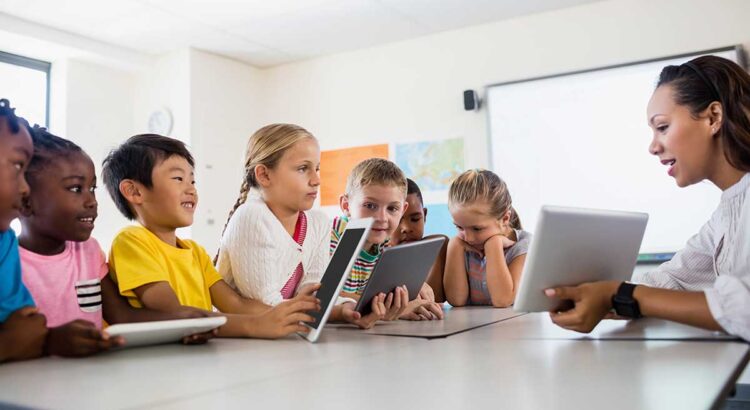
Education is the cornerstone of societal growth, personal development, and economic progress. It goes beyond the mere acquisition of knowledge, fostering critical thinking, creativity, and problem-solving abilities. In today’s rapidly evolving world, the education sector faces both unprecedented opportunities and complex challenges. Understanding these dynamics is vital for students, educators, policymakers, and stakeholders to make informed decisions about learning and teaching.
The Importance of Education
Education serves multiple purposes in modern society. Firstly, it equips individuals with essential knowledge and skills required to participate in the workforce. Secondly, it instills moral and ethical values that contribute to responsible citizenship. Lastly, education promotes social mobility, bridging gaps between different socioeconomic groups. Research consistently shows that higher levels of education correlate with increased earning potential, improved health outcomes, and greater civic engagement.
Types of Education
Education can be categorized into several distinct forms, each serving unique roles in personal and professional development.
Formal Education
Formal education follows a structured curriculum and typically takes place in schools, colleges, and universities. It is regulated by governments and educational authorities to ensure quality and standardization. Core subjects such as mathematics, science, language arts, and social studies form the backbone of formal education, while elective courses allow students to explore areas of interest. Formal education often leads to certifications and degrees, which are critical for career advancement.
Informal Education
Informal education occurs outside traditional classroom settings. It includes learning from family, community activities, online resources, or self-directed study. Informal learning is flexible and can be tailored to individual needs. For instance, a child learning to code using online tutorials is engaging in informal education, which complements formal schooling. This type of education is particularly important in today’s digital era, where information is accessible instantly, and continuous learning is essential.
Non-formal Education
Non-formal education bridges the gap between formal and informal learning. It typically includes workshops, vocational training, adult education programs, and skill development courses. These initiatives focus on practical knowledge and competencies, helping individuals gain expertise in specific fields, such as healthcare, technology, or entrepreneurship. Non-formal education often addresses workforce demands and equips learners with skills that are immediately applicable in real-world scenarios.
Innovative Trends in Education
The education landscape is undergoing transformative changes driven by technology, globalization, and evolving pedagogical philosophies. Understanding these trends is crucial for educators and learners seeking to remain competitive and relevant.
Digital Learning and Online Education
Digital learning platforms, online courses, and e-learning tools have revolutionized the way people acquire knowledge. From Massive Open Online Courses (MOOCs) to personalized learning apps, technology has made education more accessible, flexible, and inclusive. Virtual classrooms enable students from remote areas to access quality education, breaking geographic and socioeconomic barriers. Moreover, online education often incorporates interactive multimedia, gamification, and artificial intelligence to enhance engagement and retention.
Blended Learning Models
Blended learning combines traditional face-to-face instruction with online learning experiences. This approach allows educators to leverage the benefits of both modalities, creating a more adaptable and student-centered learning environment. Students can review materials at their own pace while participating in collaborative classroom discussions. Blended learning also enables educators to track progress using data analytics, ensuring targeted support for students who need additional assistance.
STEM and STEAM Education
STEM (Science, Technology, Engineering, and Mathematics) education has gained prominence as nations strive to prepare students for careers in innovation-driven industries. Integrating arts into STEM, resulting in STEAM, encourages creativity alongside technical proficiency. This holistic approach cultivates problem-solving, critical thinking, and innovative capabilities, preparing learners for complex, real-world challenges. Schools and universities are increasingly emphasizing hands-on projects, coding workshops, and design thinking initiatives to nurture STEM and STEAM competencies.
Personalized Learning and Adaptive Technologies
Education is moving toward personalized learning experiences tailored to individual strengths, interests, and learning paces. Adaptive learning technologies analyze student performance in real time, adjusting content difficulty and delivery methods accordingly. Personalized learning not only enhances academic outcomes but also improves motivation and engagement. By catering to diverse learning needs, this approach ensures inclusivity and equity in education.
Challenges Facing Education
Despite technological advancements and innovative approaches, the education sector faces persistent challenges that require strategic interventions.
Equity and Accessibility
Ensuring equal access to quality education remains a global challenge. Socioeconomic disparities, gender inequalities, and geographic barriers prevent many children and adults from accessing essential learning opportunities. Governments, NGOs, and private institutions must collaborate to implement policies, scholarships, and infrastructure improvements to bridge these gaps. Inclusive education initiatives, such as providing assistive technologies for students with disabilities, are critical to achieving equity.
Quality of Teaching
Effective teaching is central to educational success. However, many regions struggle with teacher shortages, inadequate training, and outdated pedagogical methods. Continuous professional development, mentorship programs, and incentives for educators are essential to improve teaching quality. Integrating modern teaching strategies, such as project-based learning and experiential education, can enhance student engagement and learning outcomes.
Curriculum Relevance
In a rapidly changing world, curricula must evolve to meet contemporary needs. Traditional curricula often emphasize rote memorization over critical thinking, creativity, and problem-solving skills. Updating educational programs to incorporate life skills, digital literacy, environmental awareness, and global competencies is vital to prepare students for future challenges. Collaboration with industry experts and higher education institutions can ensure that curricula remain relevant and future-oriented.
Impact of Technology
While technology offers numerous benefits, its integration into education presents challenges, including digital divide issues, cyber security risks, and over-reliance on digital tools. Educators must balance technological adoption with critical thinking development and interpersonal skills cultivation. Teaching students how to evaluate online information, maintain digital privacy, and navigate virtual learning environments responsibly is essential.
Future of Education
The future of education is likely to be defined by flexibility, inclusivity, and lifelong learning opportunities. Several trends are shaping this vision.
Global Learning Networks
The rise of global learning networks enables cross-cultural collaboration and knowledge sharing. Students can participate in virtual exchange programs, international projects, and global research initiatives. Exposure to diverse perspectives fosters cultural competence, empathy, and global citizenship, preparing learners to thrive in interconnected societies.
Lifelong Learning and Upskilling
The concept of education is expanding beyond formal schooling years. Lifelong learning emphasizes continuous skill development, enabling individuals to adapt to changing job markets and personal interests. Governments and organizations are increasingly investing in reskilling programs, micro-credentials, and online learning platforms to support lifelong learners.
Integration of AI and Emerging Technologies
Artificial intelligence, virtual reality, and augmented reality are expected to transform educational delivery further. AI-powered tutoring systems can provide personalized feedback, while VR/AR experiences enable immersive learning in subjects such as history, science, and engineering. These technologies enhance engagement, retention, and practical application of knowledge.
Community and Experiential Learning
Experiential learning, such as internships, service-learning, and project-based education, allows students to apply theoretical knowledge in real-world contexts. Communities play a crucial role in supporting education by offering mentorship, volunteering, and collaborative projects. Integrating community engagement into education fosters social responsibility and practical skill development.
Conclusion
Education remains a fundamental pillar of human development and societal progress. By embracing innovative approaches, addressing persistent challenges, and fostering inclusive and lifelong learning opportunities, education can empower individuals to achieve their full potential. The future of education lies in adaptability, collaboration, and technology-driven personalized experiences that prepare learners for a complex, interconnected world.
Frequently Asked Questions
What is the difference between formal, informal, and non-formal education?
Formal education is structured and classroom-based, leading to certifications. Informal education is unstructured learning from daily experiences or online resources. Non-formal education bridges these approaches, focusing on practical skills and vocational training.
How is technology changing education?
Technology enhances accessibility, engagement, and personalization in learning. Online courses, adaptive learning systems, and digital collaboration tools provide flexible and interactive educational experiences for students globally.
What are the benefits of STEM and STEAM education?
STEM and STEAM education cultivate critical thinking, creativity, and problem-solving skills. These approaches prepare students for innovation-driven careers and enable them to tackle real-world challenges effectively.
Why is lifelong learning important?
Lifelong learning allows individuals to continuously acquire new skills and knowledge, adapt to changing job markets, and maintain personal and professional growth throughout their lives.
How can education become more inclusive?
Education becomes inclusive by addressing barriers such as socioeconomic disparities, disabilities, and gender inequalities. Providing scholarships, assistive technologies, and accessible learning environments ensures equitable opportunities.
What role do teachers play in modern education?
Teachers guide, mentor, and facilitate learning, ensuring students acquire knowledge, critical thinking, and social skills. Ongoing professional development and modern pedagogical methods are essential for effective teaching.
How does experiential learning benefit students?
Experiential learning enables students to apply theoretical knowledge in practical contexts, enhancing understanding, retention, and real-world problem-solving skills while fostering social responsibility and teamwork.